-
Maureen Tkacik on CNBC
Posted by Eddy Elfenbein on May 7th, 2009 at 11:03 pmMaureen Tkacik looks at CNBC which includes a quote from yours truly.
-
Multiply Your Money with Bontrust
Posted by Eddy Elfenbein on May 7th, 2009 at 9:49 pm -
Paging All Chinese Lenders to the Yellow Courtesy Phone
Posted by Eddy Elfenbein on May 7th, 2009 at 1:56 pmThis does not look good.
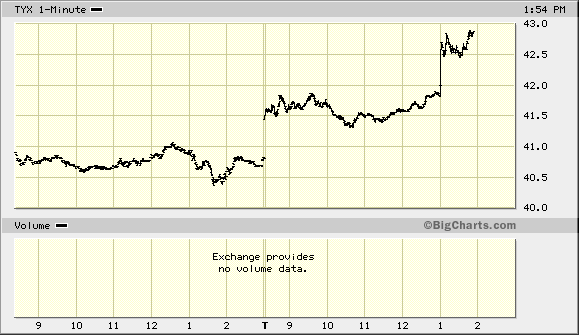
Meanwhile, Libor is at a new low. -
“I Assure You It’s Just a Bear Market Rally”
Posted by Eddy Elfenbein on May 6th, 2009 at 3:57 pm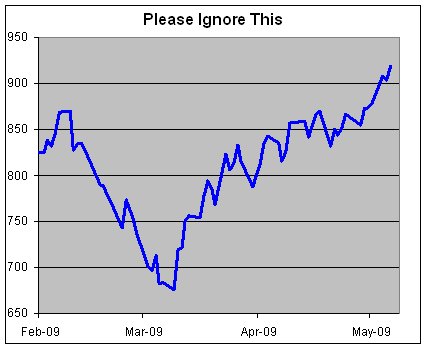
Listen folks, it’s just a bear market rally.
Nothing to see here, please keep moving.
I’m telling you — it’s all phony, none of this counts.
Look at the tape. It’s just shorts, nothing more.
Goldman prolly wants to unload some crap.
Trust me. I’ve seen this a hundred times.
Have you seen those phony bank “profits”??
Load up on gold, my friend. $2,000 here we come!
They’re just setting you up for another decline.
Do you have “sucker” written on your forehead?
Roubini said it’s a false rally.
I assure you it’s just a bear market rally.
Vote Ron Paul. -
Market Winning Streaks
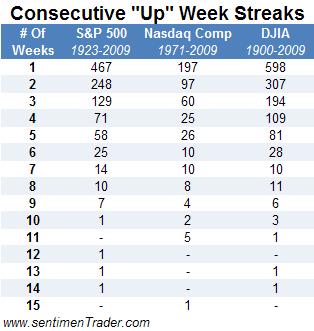
Posted by Eddy Elfenbein on May 6th, 2009 at 7:37 amThe Nasdaq is now up for the ninth straight week. Jason Goepfert at Sentimental Trader takes an interesting look at historic winning streaks.
-
More on NICK’s Earnings
Posted by Eddy Elfenbein on May 6th, 2009 at 7:10 amI’ve looked through Nicholas Financial’s (NICK) earnings and the numbers look solid. Almost all the metrics improved over last quarter. However, there could be some seasonality to their business. Comparisons with a year ago almost seem like comparing them to the 19th century.
The company earned 20 cents a share. Annualized, that’s 80 cents which means the stock could be going for around four times earnings. Book value per share is now $8.21. Also remember that in 2006 and 2007, NICK earned over $1 a share.
The big worry I have each quarter is the line “Provision for credit losses as a percentage of average finance receivables, net of unearned interest.” That’s the unhappy line. The good news is it fell from 8.77% in the December quarter to 6.26% in the March quarter. That’s a difference of $1.3 million which is huge for a company like NICK. It’s still higher than a year ago, 6.26% to 5.20%, but we’re not seeing the huge increases from previous quarters. In the third quarter, for example, loss provisions were up 225% from the year before.
I have little doubt that NICK will survive the only question is when will things turnaround. Delinquencies are down a lot from last quarter, though that may be seasonal. There was a similar drop, though not as large, between the third and fourth quarters of a year ago. Delinquencies are still up from a year ago, but again, they seem to be leveling off.
The bottom line is that this was a very good quarter for NICK. In fact, I wasn’t expecting to see numbers like this until later in the year. At this rate, the loss provisions may soon show year-over-year decline. That will be time to celebrate.
I’ll repeat what I’ve said before about NICK. It won’t be a fun stock to own. It’s small and may drive you crazy. In fact, most investors shouldn’t own it. But if you have a long time horizon and can safely ignore a microcap, then NICK is a great buy. -
NYT Climbs to $5, the Sunday Paper Not the Stock
Posted by Eddy Elfenbein on May 5th, 2009 at 10:18 pmA few weeks ago, I noted that the price of a Sunday New York Times ($4) was worth more than one share of the New York Times (NYT).
The good news is that the stock has rallied since it hit its 52-week low of $3.44.
The bad news is that they’re raising the price of the Sunday paper to $5.
I wonder who will make it to $10 first. -
GM plans 1-for-100 reverse stock split
Posted by Eddy Elfenbein on May 5th, 2009 at 7:08 pmThat’ll help get the share price up:
General Motors Corp. said Tuesday it is planning a reverse stock split that would give shareholders one share of new stock for every 100 shares they currently own.
The automaker said in a filing with the Securities and Exchange Commission that the deal would be part of an agreement with the Treasury Department in which the government would assume at least half of GM’s debt in exchange for company shares.
The filing said both sides are still negotiating the terms of the debt swap.
Under GM’s plan, the U.S. government would get a 50 percent equity stake in exchange for about $10 billion in loan forgiveness. The UAW, for its part, would get a 39 percent stake in exchange for $10 billion in payments to its health care trust in stock. GM would issue up to 60 billion shares as a result of the bond exchange, Treasury loan and VEBA agreement.At this point, wouldn’t it be easier to split the Treasury 100-to-1?
-
NICK Update
Posted by Eddy Elfenbein on May 5th, 2009 at 7:00 pmJust for the record, the stock did volume of 1,200 shares yesterday. Today the stock opened at $3.22 shot to $4.37, a gain of 37%. Then promptly fell back to $3.52 which is a loss of nearly 20%.
Overall, it’s a gain of 10.7%. -
Found Deep Inside an SEC Filing
Posted by Eddy Elfenbein on May 5th, 2009 at 4:25 pmFirst Financial Bancorp (FFBC) discuss its retirement plans:
These changes also resulted in revisions to our non-qualified retirement plans. Generally, benefits under previous formulas were frozen and current participants accrue under new formulas. The changes reflect a shift towards account balance formulas and a shit away from traditional annuity-type formulas.
At least they’re not wasting money on copy-editors.
-
Archives
- October 2026
- September 2026
- August 2026
- July 2026
- June 2026
- May 2026
- April 2026
- March 2026
- February 2026
- January 2026
- December 2025
- November 2025
- October 2025
- September 2025
- August 2025
- July 2025
- June 2025
- May 2025
- April 2025
- March 2025
- February 2025
- January 2025
- December 2024
- November 2024
- October 2024
- September 2024
- August 2024
- July 2024
- June 2024
- May 2024
- April 2024
- March 2024
- February 2024
- January 2024
- December 2023
- November 2023
- October 2023
- September 2023
- August 2023
- July 2023
- June 2023
- May 2023
- April 2023
- March 2023
- February 2023
- January 2023
- December 2022
- November 2022
- October 2022
- September 2022
- August 2022
- July 2022
- June 2022
- May 2022
- April 2022
- March 2022
- February 2022
- January 2022
- December 2021
- November 2021
- October 2021
- September 2021
- August 2021
- July 2021
- June 2021
- May 2021
- April 2021
- March 2021
- February 2021
- January 2021
- December 2020
- November 2020
- October 2020
- September 2020
- August 2020
- July 2020
- June 2020
- May 2020
- April 2020
- March 2020
- February 2020
- January 2020
- December 2019
- November 2019
- October 2019
- September 2019
- August 2019
- July 2019
- June 2019
- May 2019
- April 2019
- March 2019
- February 2019
- January 2019
- December 2018
- November 2018
- October 2018
- September 2018
- August 2018
- July 2018
- June 2018
- May 2018
- April 2018
- March 2018
- February 2018
- January 2018
- December 2017
- November 2017
- October 2017
- September 2017
- August 2017
- July 2017
- June 2017
- May 2017
- April 2017
- March 2017
- February 2017
- January 2017
- December 2016
- November 2016
- October 2016
- September 2016
- August 2016
- July 2016
- June 2016
- May 2016
- April 2016
- March 2016
- February 2016
- January 2016
- December 2015
- November 2015
- October 2015
- September 2015
- August 2015
- July 2015
- June 2015
- May 2015
- April 2015
- March 2015
- February 2015
- January 2015
- December 2014
- November 2014
- October 2014
- September 2014
- August 2014
- July 2014
- June 2014
- May 2014
- April 2014
- March 2014
- February 2014
- January 2014
- December 2013
- November 2013
- October 2013
- September 2013
- August 2013
- July 2013
- June 2013
- May 2013
- April 2013
- March 2013
- February 2013
- January 2013
- December 2012
- November 2012
- October 2012
- September 2012
- August 2012
- July 2012
- June 2012
- May 2012
- April 2012
- March 2012
- February 2012
- January 2012
- December 2011
- November 2011
- October 2011
- September 2011
- August 2011
- July 2011
- June 2011
- May 2011
- April 2011
- March 2011
- February 2011
- January 2011
- December 2010
- November 2010
- October 2010
- September 2010
- August 2010
- July 2010
- June 2010
- May 2010
- April 2010
- March 2010
- February 2010
- January 2010
- December 2009
- November 2009
- October 2009
- September 2009
- August 2009
- July 2009
- June 2009
- May 2009
- April 2009
- March 2009
- February 2009
- January 2009
- December 2008
- November 2008
- October 2008
- September 2008
- August 2008
- July 2008
- June 2008
- May 2008
- April 2008
- March 2008
- February 2008
- January 2008
- December 2007
- November 2007
- October 2007
- September 2007
- August 2007
- July 2007
- June 2007
- May 2007
- April 2007
- March 2007
- February 2007
- January 2007
- December 2006
- November 2006
- October 2006
- September 2006
- August 2006
- July 2006
- June 2006
- May 2006
- April 2006
- March 2006
- February 2006
- January 2006
- December 2005
- November 2005
- October 2005
- September 2005
- August 2005
- July 2005
 Eddy Elfenbein is a Washington, DC-based speaker, portfolio manager and editor of the blog Crossing Wall Street. His