-
First Jobs of The Richest American Entrepreneurs
Posted by Eddy Elfenbein on December 11th, 2008 at 10:35 amI like reading lists like this:
John D. Rockefeller
Greatest Wealth – $318 Billion at age 74
First Job – Book keeper
Andrew Carnegie
Greatest Wealth – $298 Billion at age 68
First Job – Textile laborer
Henry Ford
Greatest Wealth – $188 Billion at age 57
First Job – Machinist
Warren Buffet
Greatest Wealth – $62 Billion at age 77
First Job – Newspaper delivery boy
Bill Gates
Greatest Wealth – $57 Billion at age 53
First Job – Congressional page
Sergey Brin
Greatest Wealth – $18.7 Billion at age 35
First “Job” – Student
Michael Dell
Greatest Wealth – $17.3 Billion at age 43
First Job – Dishwasher for a Chinese restaurant
Steve Jobs
Greatest Wealth – $5.4 Billion at age 53
First Job – Gopher at Hewlett Packard
Oprah Winfrey
Greatest Wealth – $2.7 Billion at age 54
First Job – Part time radio news broadcaster
Mark Cuban
Greatest Wealth – $2.8 Billion at age 50 (and probably half of that after his divorce)
First Job – Bartender
* All financial figures based on 2008 US Dollar ValuePersonally, I think being a gopher at Hewlett Packard could have been cool.
-
T-Bill Yields Go Negative
Posted by Eddy Elfenbein on December 10th, 2008 at 1:55 pmHere, take my money. I’ll pay you.
Treasuries rose, pushing rates on the three-month bill negative for the first time, as investors gravitate toward the safety of U.S. government debt amid the worst financial crisis since the Great Depression.
The Treasury sold $27 billion of three-month bills yesterday at a discount rate of 0.005 percent, the lowest since it starting auctioning the securities in 1929. The U.S. also sold $30 billion of four-week bills today at zero percent for the first time since it began selling the debt in 2001.
“It’s the year-end factor,” said Chris Ahrens, an interest-rate strategist in Greenwich, Connecticut, at UBS Securities LLC, one of the 17 primary dealers that trade directly with the Federal Reserve. “Everyone wants to be in bills going into year-end. Buy now while the opportunity is still there.” -
Stat of the Day
Posted by Eddy Elfenbein on December 10th, 2008 at 10:01 amIn 2007, Toyota sold 9.37 million vehicles.
In 2007, General Motors sold 9.37 million vehicles.
In 2007, Toyota made $17.1 billion.
In 2007, General Motors lost $38.7 billion.
(Source: Mises Blog) -
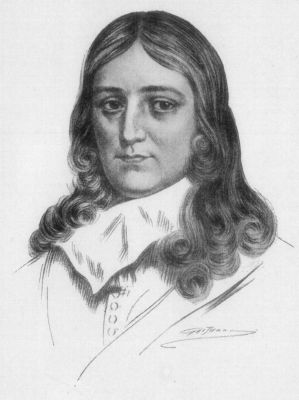
Happy 400th Birthday John Milton
Posted by Eddy Elfenbein on December 9th, 2008 at 4:57 pmIf at great things thou would’st arrive, Get riches first, get wealth, and treasure heap, Not difficult, if thou hearken to me; Riches are mine, fortune is in my hand, They whom I favor thrive in wealth amain, While virtue, valor, wisdom, sit in want.
-
Perfect
Posted by Eddy Elfenbein on December 9th, 2008 at 1:29 amHere’s the December calendar for a Unitarian church near me. I’m not making this up. It’ll be closed for Christmas.
-
Profits for Free
Posted by Eddy Elfenbein on December 8th, 2008 at 11:21 pmWant to buy a dollar for 80 cents? Look at some stocks:
Stocks have fallen so far that 2,267 companies around the globe are offering profits to investors for free. That’s eight times as many as at the end of the last bear market, when the shares rose 115 percent over the next year.
Bank of New York Mellon Corp. in New York, Danieli SpA in Buttrio, Italy and Seoul-based Namyang Dairy Products Co. hold more cash than the value of their stock and debt as the slowing world economy wiped out $32 trillion in capitalization this year. Companies in the MSCI World Index trade for an average $1.17 per dollar of net assets, the lowest since at least 1995, and 39 percent sell at a discount to shareholder equity, data compiled by Bloomberg show.
The cash-rich companies allow investors to pay nothing for future earnings streams, providing opportunities to buyers concerned about deflation, according to Jean-Marie Eveillard, whose $16 billion First Eagle Global Fund has beaten 98 percent of competitors this year. Microsoft Corp. and Novo Nordisk A/S, which generate the most money compared with debt, can expand even if lower consumer demand erodes profits.
“Cash is king, not necessarily for the investor but for corporations,” Eveillard said in an interview from New York last week. His fund holds both Microsoft and Namyang Dairy. “It’s useful to sit on a ton of cash, No. 1 to survive, as opposed to going bankrupt, and No. 2 to seize opportunities either to make acquisitions cheaply or to squeeze competitors.”Please, cash isn’t king…it’s a dictator.
-
Tribune Co. Files for Bankruptcy
Posted by Eddy Elfenbein on December 8th, 2008 at 8:55 pmThe Tribune Company files for bankruptcy. I know because it says so in the New York Times.
Meanwhile, the New York Times (NYT) takes out a second mortgage. -
T-Bills Hit Lowest Rate Since 1929
Posted by Eddy Elfenbein on December 8th, 2008 at 8:50 pmI forget. What else happened in 1929?
Oh, right. That.The Treasury sold $27 billion in three-month bills at the lowest rate since it starting auctioning the securities in 1929 amid record demand for the safety of U.S. debt during the worst financial crisis since the Great Depression.
The bills were sold at a high discount rate of 0.005 percent, the Treasury said today in Washington. At last week’s auction, the bills drew a rate of 0.05 percent. The government received bids for the bills totaling more than triple the amount sold.
“It’s all about capital preservation,” said John Canavan, a fixed-income analyst in Princeton, New Jersey, at Stone & McCarthy Research Associates. “People are afraid to put their money anywhere else so they aren’t terribly concerned about returns.”
The Treasury also sold $27 billion in six-month bills at a high discount rate of 0.30 percent, the lowest since at least 1958. At last week’s auction, the six-month bills drew a rate of 0.43 percent.Paul Krugman said recently about a stimulus that we shouldn’t worry about a size limit, and spend as much as we can. I’m still for flooding the market with a massive short-term auction. I think this would soften two problems. It would hopefully force money off the sidelines, while also raising money for the Treasury to buy high yield preferreds in troubled banks.
-
Danaher Cuts Guidance
Posted by Eddy Elfenbein on December 8th, 2008 at 8:46 pmToday, Danaher (DHR) pared back its Q4 guidance to a range of $1.03 to $1.10 a share from its previous forecast of $1.17 to $1.25 a share. The CEO said, “Global economic conditions have continued to deteriorate over the last several weeks impacting many of our customers as well as a number of our businesses. In addition, the strengthening of the dollar against other global currencies has created additional headwinds that will negatively impact our financial results.”
As bad as that sounds, the change in guidance is far less than what the rest of the market is experiencing. The projections for 2009 earnings at the start of 2008 were way off the mark. I was impressed to see shares of Danaher rally today on its lower forecast. The stock is still a very good buy. -
Brad DeLong on the Crisis
Posted by Eddy Elfenbein on December 8th, 2008 at 8:36 pmFrom Cato Unbound, Professor DeLong jumps to the heart of the matter.
Things are even worse as far as the risk discount is concerned. Our models predict that in normal times, with the ability to diversify portfolios that exists today, the risk discount on assets like corporate equities should be around 1% per year. It is more like 5% per year in normal times — and more like 10% per year today. And our models for why the risk discount has taken such a huge upward leap in the past year and a half are little better than simple handwaving and just-so stories. Our current financial crisis remains largely a mystery: a $2 trillion impulse in lost value of securitized mortgages has set in motion a financial accelerator that we do not understand at any deep level but that has led to ten times the total losses in financial wealth of the impulse.
There’s not much else to say. With this crisis, some ideological humility is needed. Someday, a bright economist will develop a theory for what’s going on today. But for right now, much of it is a mystery.
(H/T: Arnold Kling)
-
Archives
- June 2026
- May 2026
- April 2026
- March 2026
- February 2026
- January 2026
- December 2025
- November 2025
- October 2025
- September 2025
- August 2025
- July 2025
- June 2025
- May 2025
- April 2025
- March 2025
- February 2025
- January 2025
- December 2024
- November 2024
- October 2024
- September 2024
- August 2024
- July 2024
- June 2024
- May 2024
- April 2024
- March 2024
- February 2024
- January 2024
- December 2023
- November 2023
- October 2023
- September 2023
- August 2023
- July 2023
- June 2023
- May 2023
- April 2023
- March 2023
- February 2023
- January 2023
- December 2022
- November 2022
- October 2022
- September 2022
- August 2022
- July 2022
- June 2022
- May 2022
- April 2022
- March 2022
- February 2022
- January 2022
- December 2021
- November 2021
- October 2021
- September 2021
- August 2021
- July 2021
- June 2021
- May 2021
- April 2021
- March 2021
- February 2021
- January 2021
- December 2020
- November 2020
- October 2020
- September 2020
- August 2020
- July 2020
- June 2020
- May 2020
- April 2020
- March 2020
- February 2020
- January 2020
- December 2019
- November 2019
- October 2019
- September 2019
- August 2019
- July 2019
- June 2019
- May 2019
- April 2019
- March 2019
- February 2019
- January 2019
- December 2018
- November 2018
- October 2018
- September 2018
- August 2018
- July 2018
- June 2018
- May 2018
- April 2018
- March 2018
- February 2018
- January 2018
- December 2017
- November 2017
- October 2017
- September 2017
- August 2017
- July 2017
- June 2017
- May 2017
- April 2017
- March 2017
- February 2017
- January 2017
- December 2016
- November 2016
- October 2016
- September 2016
- August 2016
- July 2016
- June 2016
- May 2016
- April 2016
- March 2016
- February 2016
- January 2016
- December 2015
- November 2015
- October 2015
- September 2015
- August 2015
- July 2015
- June 2015
- May 2015
- April 2015
- March 2015
- February 2015
- January 2015
- December 2014
- November 2014
- October 2014
- September 2014
- August 2014
- July 2014
- June 2014
- May 2014
- April 2014
- March 2014
- February 2014
- January 2014
- December 2013
- November 2013
- October 2013
- September 2013
- August 2013
- July 2013
- June 2013
- May 2013
- April 2013
- March 2013
- February 2013
- January 2013
- December 2012
- November 2012
- October 2012
- September 2012
- August 2012
- July 2012
- June 2012
- May 2012
- April 2012
- March 2012
- February 2012
- January 2012
- December 2011
- November 2011
- October 2011
- September 2011
- August 2011
- July 2011
- June 2011
- May 2011
- April 2011
- March 2011
- February 2011
- January 2011
- December 2010
- November 2010
- October 2010
- September 2010
- August 2010
- July 2010
- June 2010
- May 2010
- April 2010
- March 2010
- February 2010
- January 2010
- December 2009
- November 2009
- October 2009
- September 2009
- August 2009
- July 2009
- June 2009
- May 2009
- April 2009
- March 2009
- February 2009
- January 2009
- December 2008
- November 2008
- October 2008
- September 2008
- August 2008
- July 2008
- June 2008
- May 2008
- April 2008
- March 2008
- February 2008
- January 2008
- December 2007
- November 2007
- October 2007
- September 2007
- August 2007
- July 2007
- June 2007
- May 2007
- April 2007
- March 2007
- February 2007
- January 2007
- December 2006
- November 2006
- October 2006
- September 2006
- August 2006
- July 2006
- June 2006
- May 2006
- April 2006
- March 2006
- February 2006
- January 2006
- December 2005
- November 2005
- October 2005
- September 2005
- August 2005
- July 2005
 Eddy Elfenbein is a Washington, DC-based speaker, portfolio manager and editor of the blog Crossing Wall Street. His